

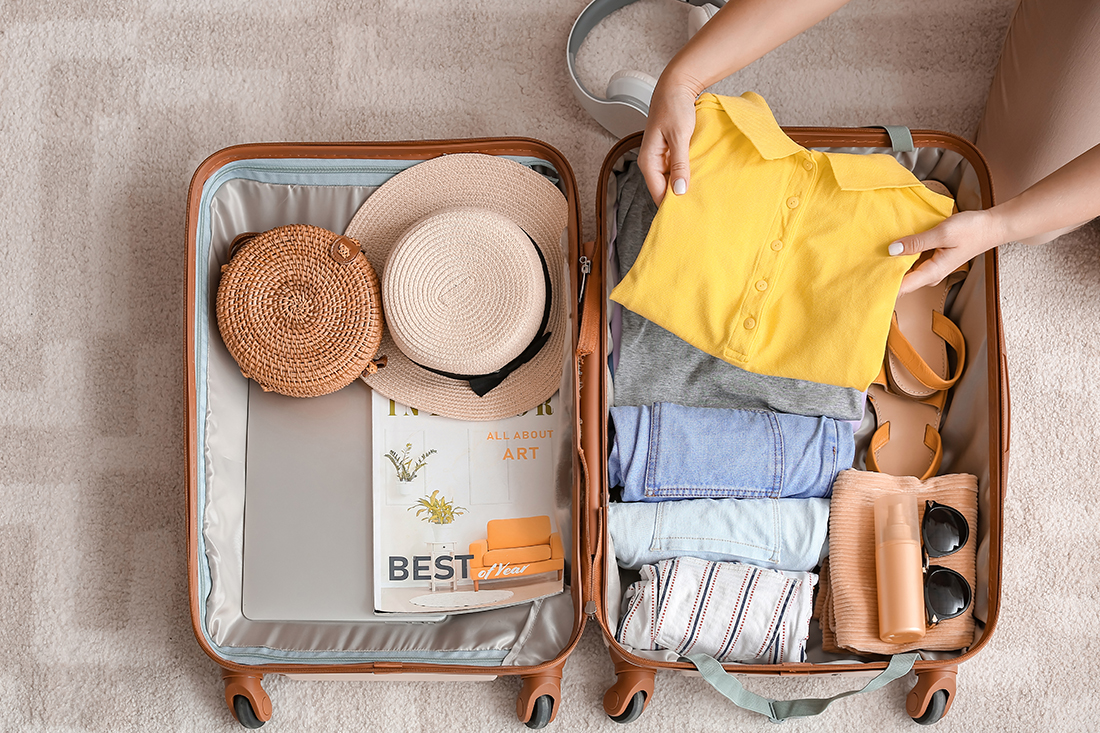
Traveling is one of life’s greatest joys, whether for leisure, adventure, or business. However, one aspect of travel that can often cause stress is packing. Many travelers struggle with overpacking, forgetting essentials, or dealing with disorganized luggage. To make your journey smoother, more enjoyable, and less stressful, adopting smart packing strategies is essential. Here are some practical packing tips for travelers that will help you pack efficiently and travel with ease.
1. Make a Packing List
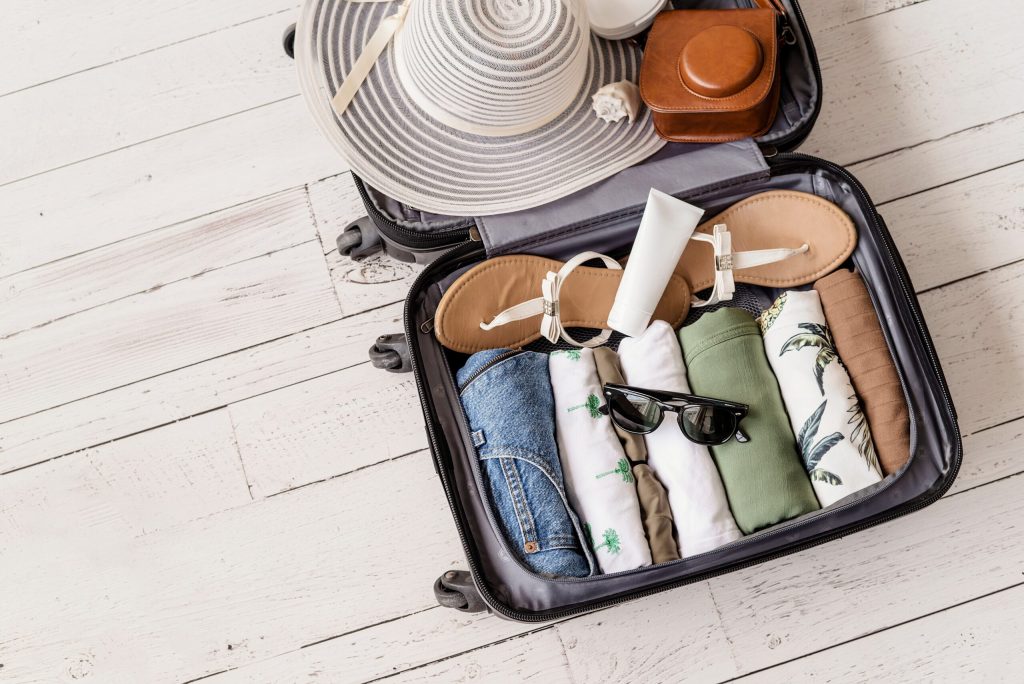
Before you even open your suitcase, make a detailed packing list. Start by noting the essentials like clothes, toiletries, travel documents, medications, and electronics. Then, think about the activities you’ll be doing at your destination—beachwear, hiking gear, or formal attire. A checklist not only ensures you don’t forget important items but also helps you avoid overpacking. You can even categorize items by “must-haves” and “optional” to prioritize what goes in your bag.
2. Choose the Right Luggage
The type of luggage you choose can greatly affect your travel experience. For short trips, a carry-on suitcase or a backpack may suffice, while longer trips may require a larger suitcase. Lightweight, durable, and easy-to-maneuver luggage is ideal. Soft-sided suitcases are flexible and easier to squeeze into tight spaces, while hard-sided luggage provides better protection for fragile items. Consider luggage with compartments or built-in organizers to keep items neatly separated.
3. Roll Your Clothes
Rolling clothes instead of folding them is a proven method to save space and prevent wrinkles. T-shirts, jeans, and casual wear roll easily and can fit snugly in small spaces. For delicate or formal clothing, consider using packing folders or garment bags to maintain their shape. Rolling also allows you to see everything at a glance, so you can find items quickly without unpacking everything.
4. Use Packing Cubes
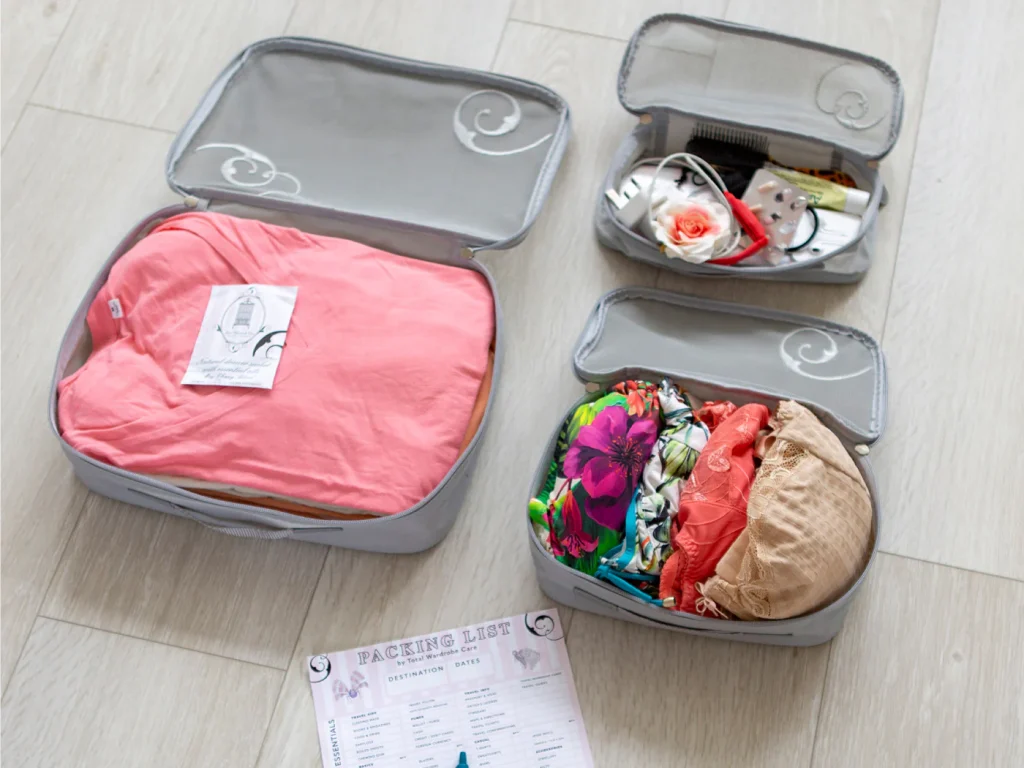
Packing cubes are game-changers for organized travel. These small, zippered bags let you group clothes by type, function, or day, making it easy to locate items. For example, one cube for shirts, another for underwear, and another for accessories. Packing cubes compress your clothing, saving valuable space, and they make unpacking more manageable.
5. Minimize Toiletries
Toiletries often take up a significant portion of luggage, but many items can be purchased at your destination. Travel-sized bottles of shampoo, conditioner, and body wash reduce bulk. Solid alternatives like bar soap, solid shampoo, or toothpaste tablets are even more compact and eco-friendly. Remember to follow airline regulations for liquids if you’re flying, and store items in a waterproof bag to avoid spills.
6. Pack Versatile Clothing
Choosing versatile clothing can drastically reduce the number of items you need to pack. Neutral-colored pieces that mix and match well allow multiple outfits from just a few items. Layering is another smart strategy, as it adapts your wardrobe to different weather conditions without taking up much space. Consider multi-functional items like a scarf that can double as a blanket or a jacket that converts into a vest.
7. Keep Important Items Accessible
Certain items should always be within easy reach during travel. Passport, boarding passes, wallet, phone, and medications should be stored in a small, accessible bag or travel pouch. Keeping them separate prevents you from digging through your luggage at inconvenient moments and reduces the risk of losing essential items.
8. Limit Shoes and Accessories
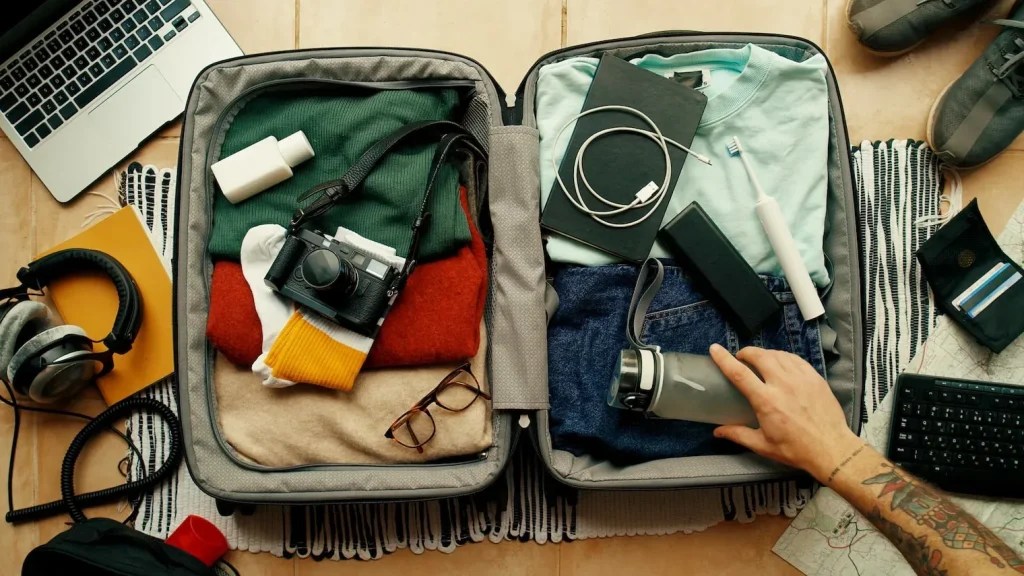
Shoes are bulky and heavy, so pack only what you truly need. Generally, one casual pair, one formal pair, and one pair for activities like hiking or the beach are sufficient. Accessories should be minimal, as they can be added to outfits without taking up much space. Consider wearing your bulkiest shoes during travel to save room in your luggage.
9. Prepare for Unexpected Situations
Even the best-planned trips can have surprises. Pack a small first aid kit, an extra charger, a foldable tote bag, and a few snacks. Having these items on hand ensures you’re prepared for minor emergencies, travel delays, or spontaneous adventures.
10. Leave Room for Souvenirs
Finally, always leave some space in your luggage for souvenirs or items you may purchase along the way. Overstuffed luggage can be stressful to manage on the return journey, so leaving extra room keeps your packing flexible and prevents extra baggage fees.
Conclusion
Efficient packing is a skill that improves with practice, but following these tips can make your travels much smoother and more enjoyable. From making a checklist and choosing the right luggage to rolling clothes, using packing cubes, and minimizing toiletries, every step contributes to a stress-free journey. By packing smartly, you not only save space and time but also ensure that your focus remains on exploring and enjoying your destination. Happy travels!

Leave a Reply